Have you heard about Ascophyllum Nodosum? It’s this kind of brown seaweed that's really making waves in sustainable farming circles. People are starting to realize how valuable it is because of all the good stuff it brings to the table. I mean, it’s packed with nutrients and can do a lot—from improving soil health to helping plants stay healthy and strong. More farmers and agri-pros are looking for natural, eco-friendly solutions these days, and Ascophyllum Nodosum fits the bill perfectly. It’s not just a biostimulant—it also supports organic farming, making it a pretty awesome choice if you want to reduce your environmental impact.
Incorporating this seaweed into farming routines can actually boost crop yields and help plants fend off pests and diseases better. The natural hormones and growth factors it contains can really give plants a boost, which is a huge plus for farmers trying to be sustainable but still get good results. This article dives into some of the top ways we can use Ascophyllum Nodosum in agriculture—showing just how versatile and important it is for promoting eco-friendly farming practices. By using it, farmers and growers can stick to greener methods and help keep our planet healthier for future generations.

Overview of Ascophyllum Nodosum and Its Agricultural Importance
Ascophyllum nodosum, a brown seaweed found primarily along the Atlantic coast, has garnered significant attention in sustainable agriculture due to its intrinsic nutrient profile and bioactive compounds. Rich in vitamins, minerals, and trace elements, this seaweed serves as an excellent natural fertilizer, enhancing soil health and boosting plant growth. Its application not only improves nutrient availability but also promotes beneficial microbial activity in the soil, contributing to an overall healthier ecosystem. As farmers increasingly seek eco-friendly alternatives to synthetic fertilizers, Ascophyllum nodosum emerges as a viable option for enhancing crop yields while minimizing environmental impact.
The agricultural importance of Ascophyllum nodosum extends beyond soil enrichment. Its extracts are known to stimulate plant growth, enhance stress resistance, and improve overall plant vitality. Applying this seaweed can lead to better root development and increased resilience to various environmental stressors, including drought and salinity. Furthermore, the natural plant-growth regulators found within Ascophyllum nodosum can enhance seed germination and flowering, which aligns with the principles of sustainable farming by fostering a more robust and productive agricultural system. As such, integrating Ascophyllum nodosum into farming practices represents a modern approach to achieving sustainable agricultural outcomes while preserving the integrity of the environment.
Nutritional Composition of Ascophyllum Nodosum for Soil Health
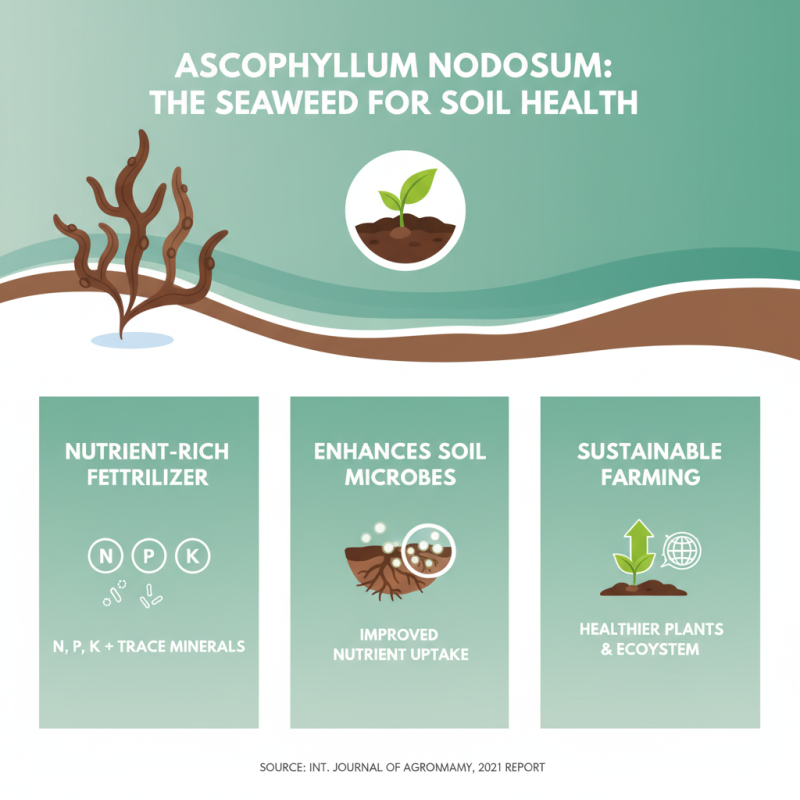
Ascophyllum nodosum, a species of brown seaweed, has garnered attention in sustainable agriculture for its impressive nutritional composition, which significantly benefits soil health. Rich in essential nutrients, including nitrogen, phosphorus, potassium, and a variety of trace minerals, Ascophyllum nodosum acts as a natural fertilizer. According to the 2021 report by the International Journal of Agronomy, seaweed extracts can enhance microbial activity in the soil, resulting in improved nutrient uptake by plants. This biostimulatory effect not only enriches the soil but also promotes a healthier ecosystem, thereby fostering sustainable farming practices.
Furthermore, the natural growth-promoting hormones present in Ascophyllum nodosum, such as auxins and cytokinins, can stimulate root development and improve plant vigor. A study published in the Journal of Applied Phycology highlights that the application of seaweed extracts can lead to a 30% increase in crop yields, effectively reducing the reliance on synthetic fertilizers. This aligns with sustainable farming principles, which advocate for practices that maintain soil fertility while minimizing environmental impact.
Tips for farmers incorporating Ascophyllum nodosum into their practices include applying it during the early growth stages of crops to maximize its beneficial effects on root development. It is also advisable to combine seaweed extracts with compost to further enhance soil microbial ecology. Regular application, based on soil testing, can help ensure that plants receive optimal nutrient levels without overwhelming the ecosystem.
Utilization of Ascophyllum Nodosum as a Natural Fertilizer
Ascophyllum nodosum, a brown seaweed commonly found in nutrient-rich coastal waters, has emerged as a valuable natural fertilizer in sustainable agriculture. Its rich biochemical composition, including essential macro and micronutrients, amino acids, and growth hormones, supports plant growth and enhances soil health. Studies, such as those published in the "Journal of Applied Phycology," indicate that the application of Ascophyllum nodosum can increase crop yield by up to 20%, making it an attractive alternative to synthetic fertilizers.
The utilization of Ascophyllum nodosum not only enhances soil microbiota but also promotes nutrient availability, leading to improved plant resilience against environmental stressors. Research conducted by agricultural scientists has shown that applying seaweed extracts can stimulate root development, resulting in better water and nutrient uptake. With the global shift towards organic farming practices, the demand for natural fertilizers is on the rise. According to the "Global Organic Fertilizers Market Report," the organic fertilizers segment, including seaweed derivatives, is expected to grow at a compound annual growth rate (CAGR) of 12% over the next five years, reflecting an increasing interest in sustainable cropping systems.
Role of Ascophyllum Nodosum in Pest Control and Crop Protection
Ascophyllum nodosum, a type of brown seaweed, has garnered attention in sustainable agriculture for its role in pest control and crop protection. This natural resource is rich in bioactive compounds, including polysaccharides, antioxidants, and plant hormones, which contribute to enhancing plant resilience against various pests and diseases. When applied to crops, extracts of Ascophyllum nodosum can stimulate natural defense mechanisms, making plants less susceptible to infestations, thereby reducing the need for synthetic pesticides.
Moreover, the application of Ascophyllum nodosum can improve soil health, creating a more robust ecosystem that fosters beneficial organisms. Such enhancements lead to increased crop vigor and yield quality. The seaweed's ability to promote root development and nutrient uptake also means that crops can better withstand pest pressures and environmental stresses. By integrating Ascophyllum nodosum into farming practices, growers can embrace a more effective pest management strategy that aligns with sustainable farming principles while promoting ecological balance.
Impact of Ascophyllum Nodosum on Plant Growth and Yield Enhancement
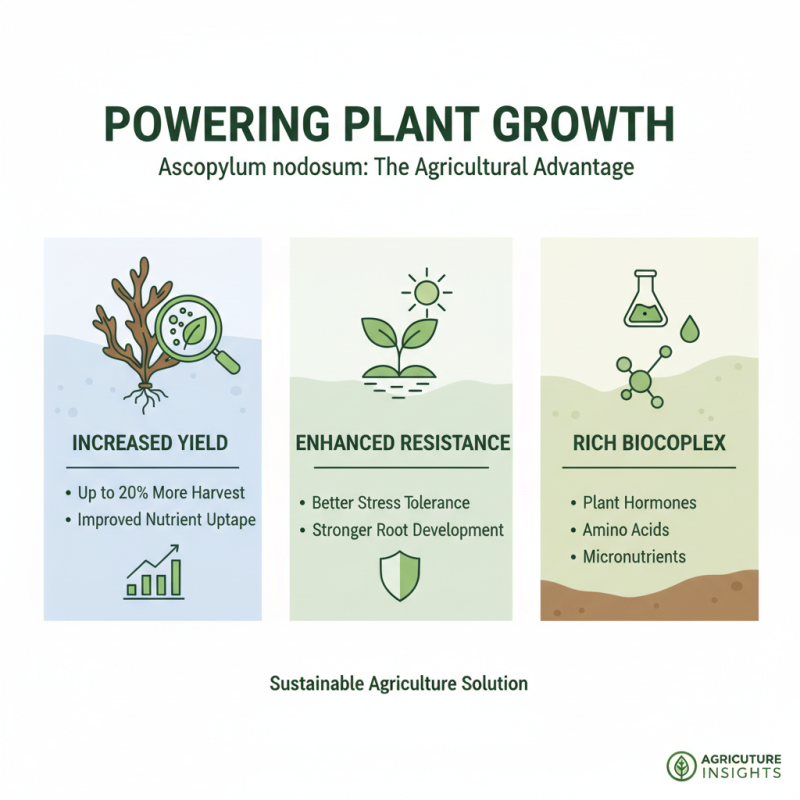
Ascophyllum nodosum, a brown seaweed widely used in agriculture, has garnered attention for its substantial benefits in enhancing plant growth and yield. Research indicates that the application of Ascophyllum nodosum extract can significantly improve crop productivity due to its rich composition of bioactive compounds, including plant hormones, amino acids, and micronutrients. According to a study published in the *Journal of Applied Phycology*, field trials have shown that plants treated with Ascophyllum nodosum extracts can result in a yield increase of up to 20%. These enhancements are attributed to improved nutrient uptake, root development, and stress resistance, which are critical for achieving sustainable agricultural practices.
Furthermore, Ascophyllum nodosum has demonstrated a positive impact on soil health and fertility. Reports indicate that seaweed-based fertilizers can enhance microbial activity, which is essential for nutrient cycling in the soil ecosystem. A research project conducted by the International Journal of Agronomy highlights that incorporating Ascophyllum nodosum into fertilization programs led to a 30% increase in soil microbial biomass, contributing to better soil structure and plant health. These findings underscore the value of Ascophyllum nodosum not only for improving individual crop yields but also for promoting long-term sustainability in agriculture through enhanced soil vitality and resilience.
Application Methods of Ascophyllum Nodosum in Sustainable Farming Practices
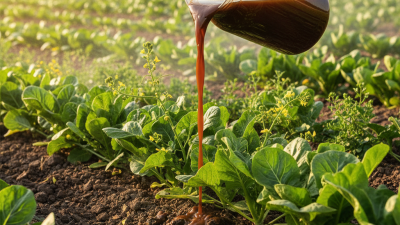
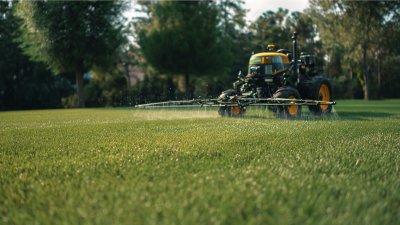
Ascophyllum nodosum, a type of brown seaweed, has gained increasing attention in sustainable agriculture due to its rich nutrient content and beneficial properties for soil and plants. One of the primary application methods is through the use of seaweed extracts, which can be applied as foliar sprays or soil drenches. These extracts are rich in essential micronutrients, growth hormones, and bioactive compounds that promote plant health, enhance root development, and improve overall crop resilience against environmental stressors.
Another effective method of application is the incorporation of Ascophyllum nodosum into compost and organic fertilizers. By adding this seaweed during the composting process, farmers can enrich the final product with beneficial elements that support microbial activity, boost soil fertility, and enhance nutrient availability for plants. Moreover, using seaweed in soil amendments can stimulate beneficial soil organisms, creating a healthier growing environment that ultimately leads to improved crop yields.
Additionally, Ascophyllum nodosum can be applied through crop rotation and intercropping strategies. Integrating this seaweed into diverse planting systems can not only optimize the use of soil nutrients but also help in maintaining ecological balance by promoting biodiversity. As sustainable farming practices continue to evolve, the innovative use of Ascophyllum nodosum stands out as a practical solution for enhancing productivity while minimizing environmental impact.
Top Uses of Ascophyllum Nodosum in Agriculture for Sustainable Farming
| Application Method |
Benefit |
Crop Type |
Recommended Dosage |
| Foliar Spray |
Enhances nutrient absorption |
Vegetables |
2-4 L/ha |
| Soil Amendment |
Improves soil structure |
Grains |
1-3 tons/ha |
| Seed Treatment |
Increases germination rate |
Legumes |
5-10 g/kg seeds |
| Compost Addition |
Enhances microbial activity |
Fruits |
10-20% by volume |
| Irrigation System Addition |
Stimulates plant growth |
Ornamentals |
1-2 L/m³ water |
Case Studies: Successful Implementation of Ascophyllum Nodosum in Agriculture
Ascophyllum nodosum, a seaweed known for its rich nutrient profile, has seen successful implementation in various agricultural practices, showcasing its potential for sustainable farming. One particularly noteworthy case study comes from a region where Ascophyllum nodosum was used as a biostimulant in vegetable crops. Farmers reported significant improvements in crop yield and resilience against pests and diseases. The application of this seaweed extract not only enhanced the nutritional quality of the vegetables but also reduced the need for chemical fertilizers, leading to more environmentally friendly farming methods.
Another impactful example involves the incorporation of Ascophyllum nodosum in organic fruit production. Growers found that foliar sprays containing this seaweed enhanced fruit size, flavor, and shelf life. The natural compounds in Ascophyllum nodosum facilitated improved nutrient uptake and increased plant vigor, leading to healthier and more robust fruit trees. This case underlines the potential of seaweed extracts in organic farming, allowing for increased productivity without compromising environmental standards, thus highlighting the multifaceted benefits of Ascophyllum nodosum in promoting sustainable agricultural practices.
Impact of Ascophyllum Nodosum on Crop Performance
Maximizing Agricultural Yield: The Benefits of Wholesale Seaweed Fertilizer for Sustainable Farming Practices
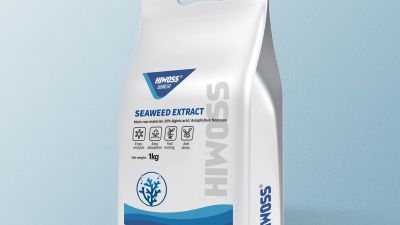
In recent years, the agricultural sector has witnessed a paradigm shift towards sustainable farming practices, with seaweed fertilizer emerging as a vital tool for maximizing agricultural yield. Derived from Ascophyllum nodosum imported from Canada, this biological enzymatic product offers a natural solution for enhancing crop productivity while supporting ecological balance. Unlike synthetic fertilizers, seaweed fertilizers promote healthier soil microbiomes, improve nutrient absorption, and increase resilience against pests and diseases.
To effectively utilize this wholesale seaweed fertilizer, farmers should dilute it at a recommended ratio of 1:2500 for optimal results. For crops that are harvested once during the growing period, applying the fertilizer 3-4 times ensures robust growth and higher yield. In cases of multiple harvests, it is crucial to reapply after each picking. The dosage varies, with general recommendations being between 1-1.5 kg/Ha for single-harvest crops, and 1.5-3 kg/Ha for those with several pickings. For effective applications, diluting with water at a ratio of 1:7 enables farmers to maximize the benefits of this sustainable fertilizer, promoting both environmental stewardship and productive farming practices.
FAQS
scophyllum nodosum and why is it important in agriculture?
The extracts of Ascophyllum nodosum can stimulate plant growth, enhance stress resistance, and improve overall plant vitality, leading to better root development and resilience to environmental stressors such as drought and salinity.
Ascophyllum nodosum serves as a natural fertilizer that improves nutrient uptake, soil health, and fertility. It has been shown to increase soil microbial activity, contributing to better nutrient cycling and overall soil structure.
Studies indicate that plants treated with Ascophyllum nodosum extracts can experience yield increases of up to 20%, attributed to improved nutrient absorption and plant resilience.
Yes, case studies reveal that its use as a biostimulant in vegetable crops has led to significant improvements in yield and resilience to pests, while its application in organic fruit production has enhanced fruit quality and size.
Yes, the use of Ascophyllum nodosum in agricultural practices can reduce the reliance on chemical fertilizers by promoting enhanced natural fertilization processes and improving plant health.
Ascophyllum nodosum contains natural plant growth regulators, including hormones and amino acids, which promote seed germination and flowering.
Its integration into farming practices enhances crop yields and soil vitality while minimizing environmental impact, aligning with sustainable farming principles.
Incorporating Ascophyllum nodosum into fertilization programs can lead to significant increases in soil microbial biomass, which supports better soil structure and promotes plant health.
Ascophyllum nodosum improves nutrient uptake in plants, which can lead to enhanced nutritional quality and overall vigor of the crops grown.
Conclusion
Ascophyllum Nodosum, a type of brown seaweed, plays a significant role in sustainable agriculture due to its rich nutrient composition and various beneficial properties. The nutritional profile of Ascophyllum Nodosum enhances soil health, providing essential micronutrients that improve fertility and promote microbial activity. Its utilization as a natural fertilizer not only supports plant growth and yield enhancement but also aligns with eco-friendly farming practices.
Moreover, Ascophyllum Nodosum uses in agriculture extend to pest control and crop protection, acting as a natural deterrent against various pests while reducing the reliance on chemical pesticides. Various application methods, including foliar sprays and soil amendments, help incorporate this seaweed into farming systems effectively. Case studies demonstrate successful implementations of Ascophyllum Nodosum, showcasing its potential to revolutionize agricultural sustainability while enhancing productivity and environmental stewardship.