Lately, there's been a real buzz around using Humic Acid Fertilizer in sustainable farming. More and more farmers and researchers are actually seeing how versatile and beneficial it can be. According to a report from the International Fertilizer Association, the demand for natural fertilizers—especially humic acid-based ones—has gone up pretty substantially, by over 15% from 2019 to 2022. It kind of shows how folks are shifting towards greener, more eco-friendly farming methods. It’s mainly about trying to improve soil health, get better crop yields, and cut down on the environmental damage caused by traditional farming.
Humic acid is a natural part of organic matter, and it really works wonders for soil fertility. It helps make nutrients more accessible and boosts the activity of helpful microbes in the soil. There’s even a study in the Journal of Soil Science showing that applying humic acid can boost nitrogen uptake by up to 30% in some crops—that’s a pretty big deal when it comes to sustainable farming. Plus, with the world’s focus on food security and fighting climate change, using Humic Acid Fertilizer isn’t just a nice option anymore; it’s pretty much a must if we want resilient, thriving agro-ecosystems. Looking at the top ten benefits of humic acid fertilizer, it’s clear that this natural addition could be a game-changer for farmers aiming to do better while also taking care of the planet.

Understanding Humic Acid: A Key Component in Fertilizers
Humic acid is a vital component in modern fertilizers, playing a crucial role in enhancing soil health and supporting sustainable agriculture. Derived from the decomposition of organic matter, humic acid helps improve soil structure, increase nutrient availability, and foster a thriving ecosystem in the rhizosphere. According to a report by the International Humic Substances Society, humic substances can increase water retention by up to 30%, promoting plant growth even in drought conditions. This ability not only benefits crop yields but also supports resilience against climate variability.
Farmers looking to implement humic acid in their fertilization strategies should consider its multifaceted advantages. For instance, humic acid aids in chelating essential nutrients, making them more accessible to plants. It also stimulates microbial activity, which enhances nutrient cycling within the soil. Studies indicate that applications of humic acid can boost crop productivity by 20-40% in deficient soils, demonstrating its potential for improving agricultural outputs sustainably.
Tips for integrating humic acid into your farming practices include assessing soil health to tailor the application of humic fertilizers effectively. Additionally, combining humic acid with compost can further elevate soil fertility and promote biodiversity. Regular soil testing can help monitor improvements and adjust practices as needed, ensuring optimal conditions for plant growth and sustainability.
The Role of Humic Acid in Soil Health and Microbial Activity
Humic acid plays a crucial role in enhancing soil health and promoting microbial activity, which are fundamental components of sustainable agriculture. When humic acid is added to the soil, it improves its structure and increases water retention, creating an optimal environment for beneficial microorganisms. This enhancement of soil structure allows for better aeration and root penetration, facilitating healthy plant growth and contributing to higher crop yields.
Moreover, humic acid serves as a source of carbon, which is essential for the metabolism of soil microbes. The presence of humic acid stimulates microbial populations, leading to a more diverse and active microbial community. These microbes play a vital role in decomposing organic matter, nutrient cycling, and the suppression of soil pathogens. By fostering a thriving microbial ecosystem, humic acid not only improves nutrient availability to plants but also enhances soil resilience against diseases and environmental stressors, making it an invaluable component of sustainable agricultural practices.
Improving Nutrient Uptake with Humic Acid Fertilizers
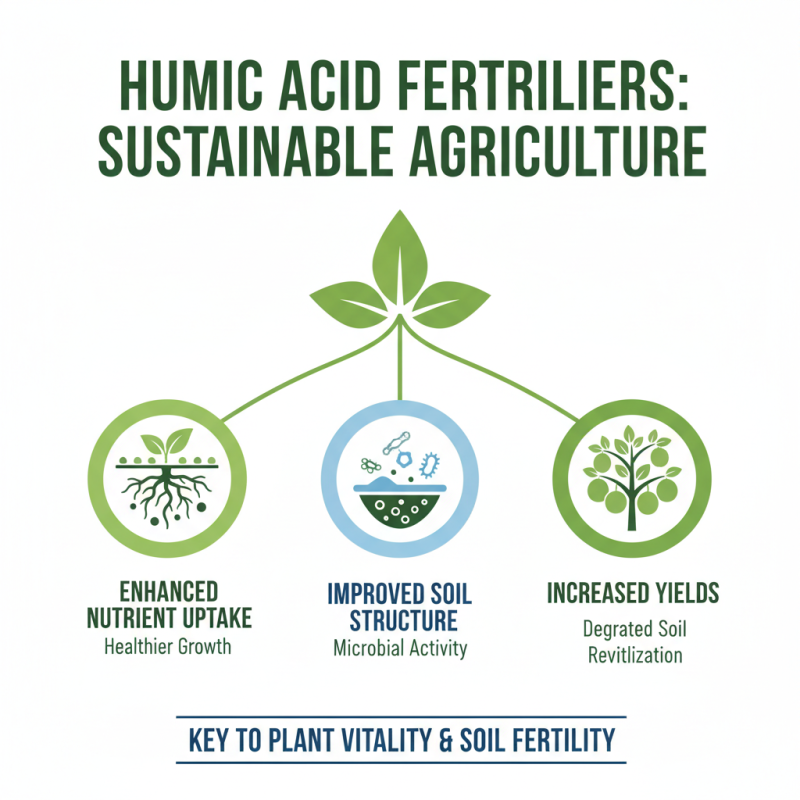
Humic acid fertilizers are increasingly recognized for their ability to enhance nutrient uptake in plants, which is essential for sustainable agriculture. The complex biochemical nature of humic acids improves soil structure, increases cation exchange capacity, and promotes beneficial microbial activity. As a result, plants can absorb nutrients more efficiently, leading to healthier growth and increased yields. This is particularly beneficial in degraded soils where nutrient availability is often limited.
When using humic acid fertilizers, it is important to consider the timing and method of application. Applying humic acid during the early stages of plant growth can maximize nutrient absorption, as young plants are actively developing their root systems. Additionally, combining humic acid with other organic matter can enhance its effectiveness, creating a synergistic effect that boosts nutrient availability in the soil.
**Tip:** Always conduct a soil test before applying humic acid fertilizers to determine existing nutrient levels and pH balance in your soil. This information will help you tailor your fertilization approach for optimal plant health.
**Tip:** Be mindful of the application rate; excessive use can lead to negative effects on plant health. Generally, a small, consistent application is most effective for sustained nutrient uptake over time.
Enhancing Soil Structure and Moisture Retention through Humic Acid
Humic acid fertilizer plays a crucial role in sustainable agriculture, particularly in enhancing soil structure and moisture retention. Research indicates that humic acid, a natural organic matter, forms beneficial complexes with soil minerals, improving soil aggregation. According to a study published by the Journal of Soil Science, the addition of humic acid can increase soil porosity by up to 25%, allowing for better air and water movement. This improvement in soil structure not only optimizes nutrient availability but also supports healthy root development, crucial for crop productivity.
Moreover, humic acid significantly enhances moisture retention in soil, which is vital in combatting drought conditions. Data from the International Journal of Agronomy reveals that soils treated with humic acid can retain up to 50% more water compared to untreated soils. This increased water-holding capacity reduces the need for frequent irrigation, thereby conserving water resources. With climate change leading to unpredictable weather patterns, the ability of humic acid to stabilize moisture levels in the soil stands as an essential strategy for farmers looking to maintain crop yields sustainably.
Reducing Soil Erosion and Promoting Sustainable Practices
Humic acid fertilizers provide a natural approach to agricultural challenges, particularly in reducing soil erosion and promoting sustainable practices. When applied to soil, humic acid enhances its structure, enabling better water retention and promoting the growth of beneficial microorganisms. This improved soil health significantly contributes to minimizing erosion, as well-structured soil holds together better, reducing runoff during heavy rains and protecting the topsoil crucial for crop production.
To maximize the benefits of humic acid fertilizers, it’s important to adopt a few best practices. First, testing soil health before application can identify the specific needs of the soil, ensuring a tailored approach that will yield the best results. Additionally, incorporating cover crops in conjunction with humic acid can create a protective layer, further reducing erosion by shielding soil from harsh elements while improving organic matter content.
Another effective tip is to incorporate organic matter alongside humic acid fertilizers. This combination not only enhances the nutrient content of the soil but also bolsters its resilience against erosion. By promoting sustainable practices like these, farmers can significantly contribute to the health of their lands while fostering environmental stewardship for future generations.
Top 10 Benefits of Humic Acid Fertilizer for Sustainable Agriculture
This chart illustrates the various benefits of using humic acid fertilizer in sustainable agriculture, focusing on its impact on reducing soil erosion and promoting sustainable practices.
The Economic Benefits of Using Humic Acid in Agriculture
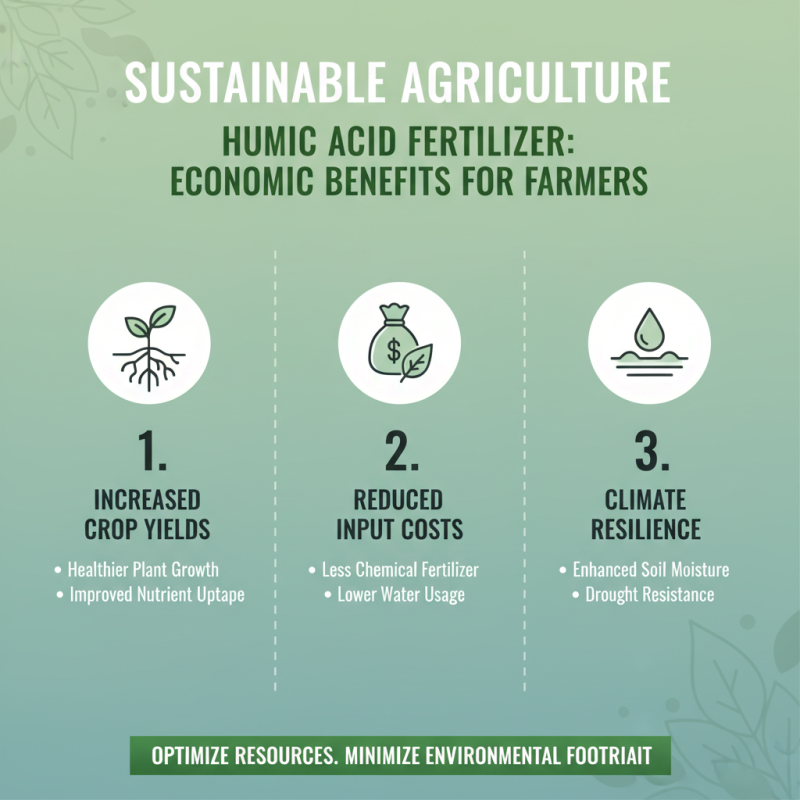
Humic acid fertilizer plays a crucial role in sustainable agriculture by providing significant economic benefits to farmers. This natural amendment enhances soil fertility by improving nutrient uptake, promoting healthier plant growth, and increasing crop yields. The use of humic acid not only reduces the need for chemical fertilizers, leading to lower input costs but also enhances the soil’s ability to retain moisture, which can be particularly advantageous in regions facing water scarcity. By utilizing humic acid, farmers can optimize their resources while minimizing their environmental footprint, ultimately leading to more resilient agricultural practices.
Tips: To maximize the benefits of humic acid, consider applying it during soil preparation or planting to ensure it integrates well with the soil profile. Additionally, monitoring soil health regularly can provide insight into how humic acid is influencing plant growth and yield over time.
Moreover, the application of humic acid can lead to better crop marketability. Healthier crops with improved nutrient profiles attract premium prices. Farmers can therefore not only save on costs but also boost their revenue streams through these higher-value crops. Integrating humic acid into farming practices supports long-term sustainability and economic viability, paving the way for future agricultural advancements.
Tips: Ensure that you tailor the application rates of humic acid to the specific needs of your soil and crops. Conducting soil tests before and after application will help in making informed decisions that can enhance productivity and profitability.
Case Studies: Successful Implementation of Humic Acid in Farming
Recent case studies have demonstrated the effectiveness of humic acid fertilizers in various agricultural settings, highlighting their role in promoting sustainable farming practices.
For instance, a study conducted on a large-scale vegetable farm revealed that the application of humic acid led to an observable increase in soil organic matter and a significant improvement in crop yield.
This farm, which transitioned to humic acid usage, reported enhanced nutrient uptake by plants, resulting in healthier crops with improved pest resistance. Such benefits underscore how humic acid fertilizers can contribute to more resilient farming operations.
Another compelling case involved a grain producer who incorporated humic acid into their soil management program. The results showed a marked improvement in soil structure, which enhanced water retention and reduced erosion.
The farmer noted that these changes not only elevated the productivity of their fields but also reduced the necessity for synthetic fertilizers, thereby lowering their overall environmental footprint.
This practical implementation of humic acid illustrates its potential as a transformative input in sustainable agriculture, fostering both ecological balance and agricultural viability.
Maximizing Plant Growth: The Benefits and Applications of Water Soluble Fertilizer 13-45-8
Water soluble fertilizers play a crucial role in maximizing plant growth by providing essential nutrients in an easily absorbable form. One effective formulation with an N-P-K ratio of 13-45-8 offers a balanced approach, particularly beneficial for enhancing flowering and fruiting stages. For optimal results, the recommended dosage is 1-1.5 kg per hectare, diluted at a rate of 1:2500 with water. This method ensures that nutrients are readily available to the plants, promoting vigorous growth and improving overall yield.
For crops that require multiple harvests, it is advisable to implement a spraying schedule after each picking, applying the fertilizer 3-4 times throughout the growing period. For single-picking crops, the same frequency is maintained, ensuring that the plant receives consistent nutrient input. Additionally, for a more concentrated approach, a dilution of 1:7 is suggested, with a dosage of 1.5-3 kg per hectare. This tailored application not only supports plant health but also enhances productivity, making water soluble fertilizers a vital asset in modern agriculture practices.
FAQS
: Humic acid fertilizers enhance nutrient uptake in plants by improving soil structure, increasing cation exchange capacity, and promoting beneficial microbial activity, leading to healthier growth and increased yields.
The best time to apply humic acid fertilizers is during the early stages of plant growth, as young plants are developing their root systems and can absorb nutrients more efficiently.
Combining humic acid with other organic matter can enhance its effectiveness, creating a synergistic effect that boosts nutrient availability in the soil.
A soil test determines existing nutrient levels and pH balance, allowing for a tailored fertilization approach that optimizes plant health.
Application rates should be mindful; generally, a small, consistent application is most effective for sustained nutrient uptake, as excessive use can negatively affect plant health.
Humic acid forms beneficial complexes with soil minerals, enhancing soil aggregation and increasing soil porosity, which optimizes nutrient availability and supports root development.
Yes, humic acid significantly enhances moisture retention in soil, allowing it to retain up to 50% more water than untreated soils, which helps combat drought conditions and reduce irrigation needs.
Yes, case studies show that farms using humic acid fertilizers reported increased soil organic matter, improved crop yields, enhanced nutrient uptake, and reduced need for synthetic fertilizers.
Incorporating humic acid into soil management can lower the overall environmental footprint by reducing the necessity for synthetic fertilizers while enhancing productivity and soil health.
By promoting healthier crops with improved nutrient uptake and pest resistance, humic acid fertilizers contribute to more resilient farming operations, making them better suited to withstand challenges.
Conclusion
Humic Acid Fertilizer plays a pivotal role in promoting sustainable agriculture by enhancing soil health and improving microbial activity. Understanding the functions of humic acid reveals its importance in boosting nutrient uptake, which leads to healthier crops and improved yields. Additionally, it enhances soil structure and moisture retention, making it a crucial component in combating soil erosion and promoting sustainable farming practices.
The economic benefits of using Humic Acid Fertilizer are significant, with numerous case studies demonstrating successful implementation in various agricultural settings. By integrating humic acid into their practices, farmers can achieve increased productivity while also contributing to environmental sustainability, making it a key asset in modern agriculture.