

Seaweed as a Natural Fertilizer
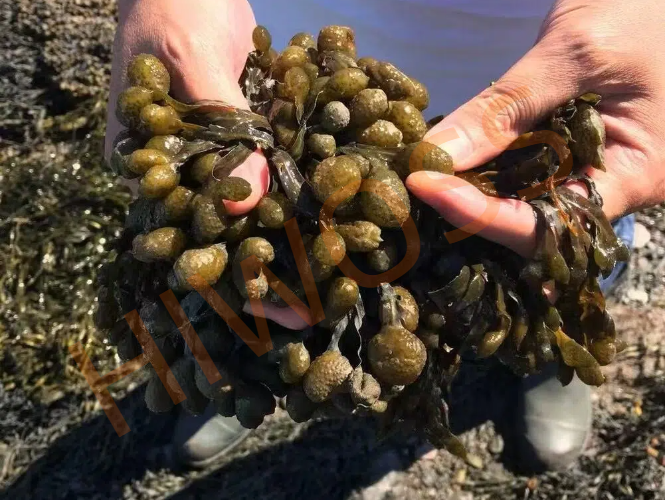
The Marvel of Ascophyllum Nodosum in Agriculture
Nutrient - Rich Composition
PREPARING SEAWEED FERTILIZER
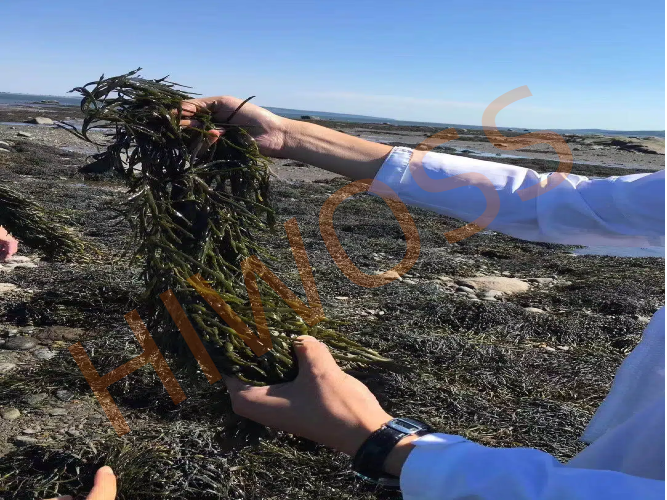
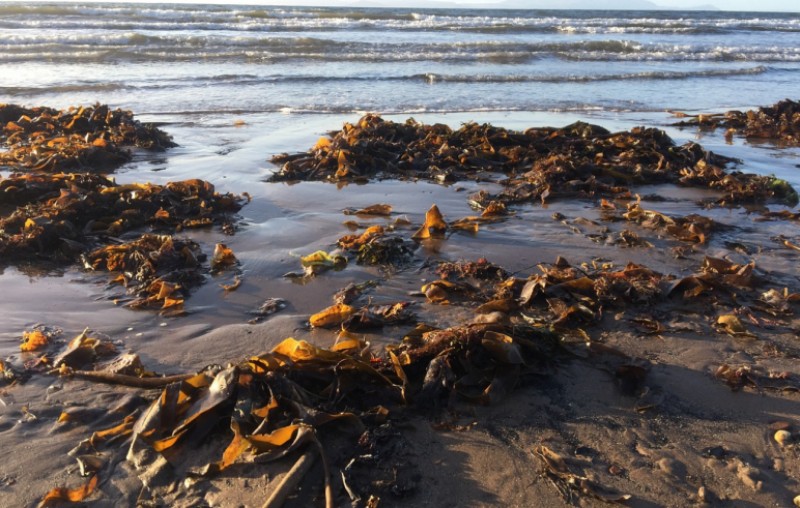
Most beachcombers look for sea shells, but collecting seaweed instead not only provides a free source of fertilizer, but also cleans up beaches, making them more appealing for recreation. Take a few big buckets when you visit the beach to store the seaweed. Both brown and green types of seaweed are suitable for fertilizer. Ask the local parks and recreation office, though, before harvesting seaweed from a protected beach.
Spread the seaweed in a thin layer and wash it thoroughly with fresh water to remove salts, or spread it on a hard surface and allow summer rains to leach the salt out. Putting it in a rain barrel serves the same purpose. Do not use fresh seaweed without washing it! The salt in it will burn or kill your plants.
USING SEAWEED FERTILIZER
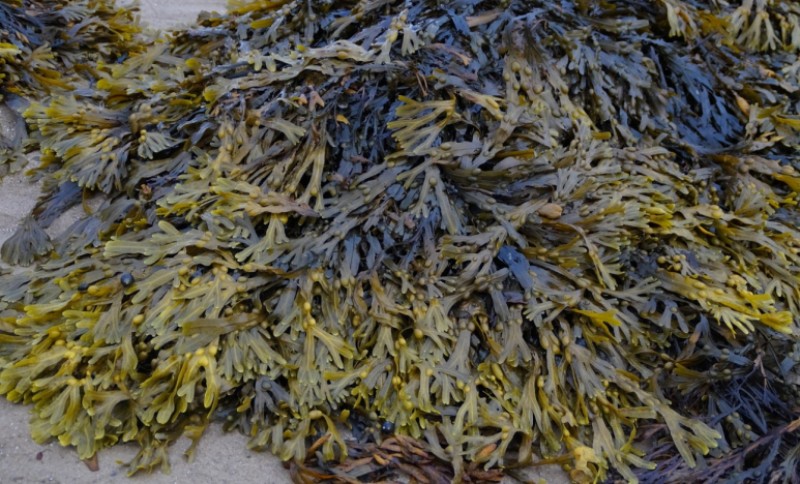
After the seaweed has been thoroughly cleaned, you can add it to a compost heap in either wet or dry form. Dry seaweed functions as a brown (carbon-rich) ingredient, similar to dead leaves or small twigs. Wet seaweed is a green (nitrogen-rich) ingredient. Mix seaweed with other organic materials to prevent it from matting together in a slimy mess in the compost bin.
Seaweed makes an effective mulch, as well. After it is clean, spread it on a hard surface and allow it to dry out in the sun. Use it to mulch flower beds, trees and shrubs, like you would wood chip mulch, or add it to vegetable gardens to suppress weeds. Use it to cover tender plants, such as strawberries, if frost threatens.
Applications in Agriculture