request to quote
Leave Your Message

Blog

What Is Ascophyllum Nodosum Fertilizer and How Does It Work?

What Is Ascophyllum Nodosum Fertilizer and How Does It Work?

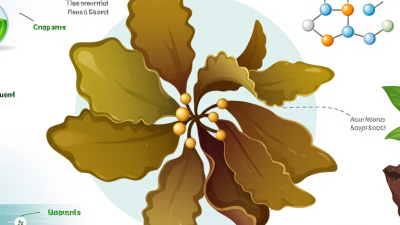
Ascophyllum Nodosum Fertilizer? Yeah, it comes from Ascophyllum nodosum—a brown seaweed harvested from cold Atlantic coastlines. But it’s not just “plant food.” Most of the time, it’s called a seaweed-based biostimulant, though the claims can vary depending on the formula and the country. Dr. John R. Craigie, a respected seaweed researcher, put it this way: “Seaweed extracts have been used as biostimulants in crop production for many years.” That line comes from practical experience, but it doesn’t promise automatic yield boosts. The fertilizer may contain alginates, mannitol, amino acids, trace minerals, and other natural compounds. How much of each? That depends on harvesting, extraction, storage, and application methods. The whole idea is broader than just supplying nutrients. Foliar sprays might help leaf activity during heat, drought, or transplant shock. Soil applications might improve root-zone conditions and microbial interactions. A grower might apply the liquid before flowering, then watch leaf color, root development, and how plants recover after dry weather. Small details matter. Results vary. Crop type, soil fertility, weather, dose, and timing can all change the outcome. So Ascophyllum Nodosum Fertilizer should complement a balanced fertility program—not replace it. Some products are carefully tested; others give you limited technical data. That gap deserves attention. A reliable evaluation should compare treated and untreated plants under similar conditions. It should also measure marketable yield, not just greener leaves. The science is promising, but imperfect. This article looks at what the fertilizer contains, how it may work, and where the evidence is still uncertain. Understanding those limits helps growers make practical, responsible decisions.
Read more »
Sophia By:Sophia - October 8, 2026
How to Choose the Best Bio Stimulant for Plants?

How to Choose the Best Bio Stimulant for Plants?

Picking out the right Bio Stimulant for your plants isn’t just about grabbing the one with the fanciest label, you know? It really depends on watching your plants closely, trying things out, and understanding what they actually need. For example, something that boosts root growth in tomatoes might not do much for wheat, herbs, or flowers. Plus, soil type, temperature, watering schedule, and when you apply it all matter a lot. Even a brand you trust can let you down if the conditions aren’t just right. Seasoned growers usually start with a clear goal in mind—whether that’s stronger roots, better use of nutrients, quicker recovery after a hot spell, or steady growth across the board. So, don’t skim over the label. Take a good look at the active ingredients, recommended amounts, how to store it, and if it’s compatible with other products you’re using. Reputable brands should give you tech info and transparent quality data. It’s also smart to check out independent trials, but keep in mind, results can vary depending on your local conditions. Sometimes, just small-scale testing can save you a lot of trouble. Start small—maybe with a section of your garden or lawn. Keep notes: how tall are the plants? Are the leaves looking healthy? How are the roots developing? Did you see any difference in yield? Taking pics under similar light conditions and comparing treated versus untreated areas can really help you figure things out. This simple step can help you spot real benefits and avoid jumping to conclusions based on assumptions. For example, the Bio Stimulant Lawn product? Same deal—its performance can depend heavily on turf density, mowing schedule, soil compaction, and seasonal stresses. And hey, no product is perfect. Sometimes the claims just sound way better than what’s actually backed up by proof—don’t hesitate to question that. The key is to find a happy middle ground where science makes sense, the product suits your crop’s needs, application’s practical, and results are verifiable. Keep an open mind—what works like a charm this season might need some tweaks next time. And by keeping good notes, you turn guesswork into smarter decisions down the road.
Read more »
Liam By:Liam - October 4, 2026
China Top Ascophyllum Nodosum Extract Supplier?

China Top Ascophyllum Nodosum Extract Supplier?

Picking a supplier based in China isn’t just about comparing prices or skimming through shiny product pages. When it comes to something like Ascophyllum Nodosum Extract, there are so many little details that can really influence its quality—things like where it was harvested, the extraction temperature, drying methods, and even what season it was collected in. These factors can impact levels of alginate, minerals, polyphenols, and how the plants respond. A trustworthy supplier should be upfront and clear about each step of their process. Dr. John Stirk, who's pretty well-known in the seaweed biostimulant world, always says, ‘Product performance should be directly linked to its composition and backed up by application data.’ That’s especially true when you’re looking at Ascophyllum Nodosum Seaweed Extract. Good suppliers will give you detailed batch specs, heavy metal test results, microbiology reports, and records of where exactly the seaweed came from. Plus, they should tell you if it’s a liquid, powder, enzymatically processed, or extracted using an alkaline method—clear documentation helps build trust. Experience on the factory floor really counts. When you're doing a supplier audit, it’s smart to check out storage conditions, whether the packaging seals are intact, and if the samples you get look consistent. Just because a powder looks dark and impressive doesn’t mean much—it’s not a reliable indicator of quality. Also, ask for recent certifications, not outdated or recycled documents. If you’re planning to use the material in fertilizer, agriculture, cosmetics, or animal feed, make sure to request independent testing—because different markets have different rules. Responsible suppliers won’t make careless claims just to close the deal. And let’s be clear — not every Chinese company is automatically the best choice. That’s a common misconception. Sometimes, a smaller manufacturer might give you better traceability, while a big exporter could offer more reliable logistics. The key is to find a supplier who combines solid quality, good tech support, enough production capacity, and honest communication. Naturally, some details, especially with natural marine materials, might be a bit fuzzy or incomplete. That’s nothing to hide — it’s just part of working with natural stuff. A dependable Ascophyllum Nodosum Extract supplier will acknowledge these variations and help you manage them through testing and careful trial applications. It’s all about making sure you get a quality product that you can rely on, every time.
Read more »
Sophia By:Sophia - September 29, 2026
7 Best Plant Biostimulants for Global Buyers

7 Best Plant Biostimulants for Global Buyers

Picking a plant biostimulant isn’t just about scanning the labels and making a quick comparison. For example, a seaweed extract might give your roots a nice boost, while humic substances could help make nutrients more available to your plants. But then you've got protein hydrolysates, beneficial microbes, and a bunch of other inputs, each working in their own way. It’s important to remember that results really depend on your crop, soil type, climate, and how you apply these products. Honestly, one product just can’t be the perfect fit for every field. Back in 2015, plant biostimulant expert Patrick du Jardin described these products as anything—substances or microorganisms—that you apply to plants with the goal of making nutrition more efficient, helping them handle stress better, or improving crop quality, no matter if they’re classified as nutrients or not. That definition is a good starting point, but it’s not a guarantee of success. When shopping around, make sure to check out the ingredients, follow the application instructions, look for independent trial results, and verify that the supplier has solid quality controls in place. It’s best to find evidence from crops and conditions similar to what you’re dealing with—because, for example, results in a greenhouse might not exactly match what you see out in your field, especially if it’s dry and open. In this guide, we’ll take a look at seven popular options—things like seaweed extracts, humic and fulvic acids, amino acids, and microbial inoculants. We’ll also discuss how well they fit into real-world farming, what the scientific evidence says, and some practical questions about buying them, especially for growers around the world. Not every option has super strong data behind it, which actually matters. Remember, products from Biostimulant Plant can definitely help with crop management, but they aren’t a substitute for good nutrition, proper irrigation, or advice from local experts. For the best results, look for a product that shows consistent performance in relevant trials, fits your budget, and comes with clear, understandable info. Keep in mind, some comparisons aren’t perfect—because, let’s face it, real farms aren’t laboratory setups, and there are many variables at play.
Read more »
Samantha By:Samantha - September 25, 2026
What Is Seaweed Fertilizer Liquid and How Does It Work?

What Is Seaweed Fertilizer Liquid and How Does It Work?

Seaweed Fertilizer Liquid is a plant-based alternative made by extracting nutrients and beneficial compounds from marine algae. You can apply it to the soil, spray it on roots or leaves, or even add it to your irrigation system. Unlike your typical fertilizers, it might not deliver huge amounts of nitrogen, phosphorus, or potassium, but it’s packed with trace minerals, organic compounds, and natural substances. These tiny ingredients can really help with root growth and help plants handle stress better. For example, some growers like to dilute it and pour it around tomato roots right after transplanting. They’ve noticed things like stronger recovery, greener leaves, and better flowering — but results aren’t always the same across the board. It depends on the type of crop, which seaweed is used, how it’s processed, the soil condition, and how much you apply. So, yeah, there’s a bit of an uncertain element there, and it’s worth keeping that in mind. If you’re a pro or running a farm, make sure to check the product label and stick closely to the recommended dilution instructions. Lab testing can also be a good idea — it’ll tell you exactly what’s in it, like nutrients, salinity, pH, and whether there are any contaminants. This is especially important when you’re buying in bulk for larger operations. Just because it’s cheap doesn’t mean it’s quality, and a strong ocean smell doesn’t automatically guarantee it works well. Research suggests that seaweed extracts can make a nice addition to your overall crop nutrition, irrigation, and crop management routine. But don’t rely on them alone; they’re not a substitute for soil testing or a solid fertilization plan. Keep in mind, some products aren’t always consistent in quality, and science doesn’t give us a clear yes or no across all crops. That’s just something to be aware of. This guide is here to give you a straightforward look at how Seaweed Fertilizer Liquid is made, how plants might respond, and how to go about using it responsibly. We’re aiming to keep it practical and honest — no over-the-top promises. Pay close attention to your crops, keep records of what you see, and make adjustments carefully. It’s all about experimenting and learning as you go.
Read more »
Sophia By:Sophia - September 21, 2026
How to Choose the Best Bio Stimulant for Lawn Growth?

How to Choose the Best Bio Stimulant for Lawn Growth?

Picking the best Bio Stimulant Lawn product actually starts with understanding your grass, not just grabbing the first bottle you see. For example, a shady Kentucky bluegrass lawn might need totally different support than a bright, sunny bermudagrass yard. Things like soil type, mowing height, watering habits, and seasonal stress all play a role in how well a product will work. Keep in mind—something that does wonders on compacted clay might be pretty much useless on sandy soil. Dr. Nick Christians, who's well-respected in turfgrass science, puts it simply: “Biostimulants are materials, other than fertilizers, that help plants grow when used in small amounts.” That’s a good way to manage expectations. These products can help boost root activity, improve nutrient uptake, and help recover from heat or heavy traffic. But let’s be real—they’re not some magic fix. They don’t replace good fertilization, proper watering, or regular mowing. In this guide, we’re taking a look at things like seaweed extracts, humic substances, amino acids, microbial products, and other popular options. We’ll also talk about the evidence backing them up, when to apply, how transparent the ingredient list is, and what the label actually recommends. Here’s the thing—just because a product has a long list of ingredients doesn’t mean it’s automatically stronger or better. Sometimes, the benefits are subtle and only really noticeable when you compare it side-by-side with untreated areas. And that’s where lawn decisions can get tricky. A good starting point is always a soil test, plus testing on a small patch. Keep notes on the grass’s color, root density, how much clipping you’re getting, and how well it bounces back after foot traffic. Don’t judge too quickly just after a sunny weekend—weather can really skew your perception. Even seasoned lawn pros can get wrapped up in short-term greening and overestimate a product’s effects. The best move is to look for products with proven ingredients, use them at the right amounts, and make honest observations from your own lawn's experience. It’s all about finding what truly works for your yard.
Read more »
Liam By:Liam - September 18, 2026
Top Humic Acid Suppliers for Global Buyers?

Top Humic Acid Suppliers for Global Buyers?

When you're trying to choose the top humic acid suppliers for your global needs, it’s really not just about comparing prices. Quality can vary a lot depending on the raw materials, how they’re extracted, and the manufacturing controls in place. It’s worth digging into details like where they source their materials, the humic content, how well it dissolves, moisture levels, pH, and whether each batch stays consistent—because even small differences can make a big impact. Dr. Robert S. Swift, a respected soil scientist, once said, “Humic substances are a major part of soil organic matter.” That’s a solid reminder when you’re looking at Humic Acids used in agriculture, soil conditioning, compost, and other related areas. Good suppliers should always back up their products with up-to-date certificates of analysis, clear technical specs, trace metal test results, and practical tips on how to use them. Honestly, the paperwork should match what’s actually inside the bag—nothing sneaky there. Experience really counts too. Some suppliers might show great lab results but struggle with reliable ocean shipments or quick, helpful support. Others might deliver reliably but use vague descriptions of how they extract their humic acids. That’s not necessarily a dealbreaker, but it definitely calls for some questions. No supplier is perfect, after all. And don’t forget to look at their production capacity, packaging options, quality of documentation, and how responsive they are to your questions. Always ask for some samples—don’t just go by flashy brochures. Also, make sure you understand the test methods used to determine percentages because different standards can mean different things. Be clear whether "humic acid" refers to total humic substances, soluble humates, or a blend—since these terms can sometimes be tossed around loosely. This guide is all about evaluating suppliers through a practical, honest approach—looking at real market experience, technical know-how, what evidence they provide, and whether they’re reliable. It’s also about recognizing that some level of uncertainty is normal; even a supplier that seems great on paper might need a small trial run before jumping into a long-term deal. That little cautious step is never a bad idea—it can save you from surprises down the line.
Read more »
Liam By:Liam - September 13, 2026
China Top 10 Ascophyllum Nodosum Bio Manufacturers?

China Top 10 Ascophyllum Nodosum Bio Manufacturers?

China’s industry around Ascophyllum Nodosum Bio has been growing quite a bit lately, thanks to the increasing demand for seaweed-based products in agriculture. These days, many manufacturers are catering to markets worldwide, offering everything from fertilizers and biostimulants to plant nutrients. In this guide, I want to introduce you to ten notable Chinese companies involved in producing Ascophyllum Nodosum Bio. Now, I should mention, our selection isn’t just about how big their factories are. We also look at where they source their seaweed from, how they extract it, and how strict they are with quality control. Experience in formulating products and their ability to export are also key factors. It’s important to know that traceability of raw materials matters a lot, as does consistency across different batches. Good manufacturers usually provide detailed technical specs, testing reports, and clear instructions on application. Their processing might involve low-temperature extraction, filtration, concentration, or drying—these methods can affect the alginate levels, organic content, solubility, and overall field performance. That said, not all info you find online is perfect. Sometimes, publicly available data can vary between websites, certificates, or info from distributors. Plus, rankings and capabilities can change pretty quickly as companies grow or update their product lines. So, it’s definitely worth double-checking current registration details, factory addresses, lab test results, and even asking for some samples before you make any decisions. Don’t fall for fancy brochures — they might look great, but they don’t always guarantee consistent quality. The companies I’m highlighting each have their own strengths. Some focus on liquid seaweed concentrates, while others produce soluble powders, custom fertilizers, or tailored formulations. Which one works best for you depends on your crop type, climate, dosage needs, and import requirements. In the end, the best way to really understand their quality is by testing recent batch data and comparing how they perform under real growing conditions. That way, you’ll get a more professional, reliable picture of what China’s Ascophyllum Nodosum Bio manufacturers can deliver.
Read more »
Samantha By:Samantha - September 9, 2026
How to Apply Liquid Seaweed to Lawns for Best Results

How to Apply Liquid Seaweed to Lawns for Best Results

Taking care of a healthy lawn isn’t just about mowing frequently or watering on a regular schedule—it’s a bit more nuanced. Lots of homeowners have started using seaweed extract as a gentle boost for their turf, helping with things like recovery, root growth, and dealing with stress. Applying liquid seaweed can definitely support your lawn’s growth, but it’s important to keep your expectations realistic. Just so you know, it’s not a magic cure-all — it won’t fix compacted soil overnight or replace proper fertilization. Always start by reading the product label carefully. Check how much to dilute, the best way to apply it, and when to do so. During mild weather, using liquid seaweed can help reduce stress on your plants. Early mornings or late afternoons tend to be ideal, especially if the soil is a little moist. Also, try to avoid spraying right before heavy rain — runoff can wash away the good stuff and waste your efforts. On a practical note, keeping things simple works best. Mow your lawn to the right height, clear away any heavy debris, and maybe test a small patch first before applying to the whole yard. Keep an eye on it over the next few days — don’t expect miracles overnight, but look for signs like greener color, better recovery, or slightly stronger growth. A handheld sprayer is handy for covering those dry patches evenly. And remember—using a more concentrated solution doesn’t mean you’ll get faster results. It could just end up wasting your money or stressing out your turf. Soil testing is still super important. It can tell you if your lawn’s missing certain nutrients or if water drainage is an issue. Good lawn care is all about a balanced approach—fertilizing properly, watering correctly, caring for your soil—and then adding biostimulants like seaweed extract as a bonus. Sometimes, the lawn responds really slowly, and that’s totally normal. Keeping good records, sticking with consistent routines, and setting realistic expectations will help make the whole process smoother and more effective.
Read more »
Sophia By:Sophia - September 6, 2026
How to Use Seaweed Fertiliser for Healthier Plants?

How to Use Seaweed Fertiliser for Healthier Plants?

Lately, more and more gardeners and farmers have been turning to seaweed fertiliser for their plants, and honestly, it’s easy to see why. This natural option does wonders for your soil and helps plants grow stronger. If you peek into the research, you'll find that it’s packed with essential nutrients like nitrogen, potassium, and those little trace minerals that plants love. Folks using it often notice better yields and healthier, more vigorous plants. Picking the right seaweed fertiliser can make all the difference, though. There are tons of brands out there, especially ones like Liquid Fertiliser Indoor Plants — which many people find super user-friendly. It not only boosts your plants but also tunes up the soil and encourages friendly microbes to thrive. But not every seaweed fertiliser is equal. Some brands might skip crucial nutrients or cut corners during processing, so it’s always smart to read labels carefully and stick to reputable companies. Using seaweed fertiliser is pretty straightforward – just don’t go overboard! It’s tempting to give your plants lots of nutrients, but too much can throw things out of whack. My tip? Start small, watch how your plants respond, and adjust from there. That way, you're supporting steady, sustainable growth. Honestly, many gardeners find that figuring out what works for their plants through a bit of trial and error is part of the fun. So, get engaged – chat with your plants, observe, and enjoy the journey toward lush, healthy foliage. It’s all about learning and growing together.”
Read more »
Sophia By:Sophia - September 3, 2026
Top 5 Benefits of Seaweed Fertiliser For Plants You Should Know?

Top 5 Benefits of Seaweed Fertiliser For Plants You Should Know?

You know, seaweed fertilizer for plants has really been making waves in the gardening world lately. Experts often highlight how great it is for helping plants grow stronger and improving soil health. I read what Dr. Jane Thompson from GreenTech Solutions mentioned — she said that seaweed extracts boost how plants take up nutrients, which really leads to vibrant, healthy growth. Pretty cool, right? What’s especially nice about this natural fertilizer is that it’s packed with essential trace minerals, vitamins, and plant hormones. More and more gardeners are skipping the synthetic stuff and giving seaweed a shot instead. The unique compounds in seaweed can encourage better root growth and help plants stand up better to stressors. Some growers even swear they’re getting better yields and healthier plants across the board. Of course, it’s not just about using it — you’ve gotta know how to apply it properly. If you go overboard or don’t follow the right steps, you might not see the best results. It’s really about experimenting, learning the ropes, and tweaking your approach so you can make the most of what seaweed fertilizer has to offer. All in all, it’s a pretty promising organic option — just keep in mind, especially if you’re layering it with other nutrients or neat tricks like Liquid Fertiliser Indoor Plants, that a little bit of know-how goes a long way in getting stellar results.
Read more »
Liam By:Liam - August 22, 2026
Top 10 Bulk Seaweed Fertilizer Suppliers in China for Buyers?

Top 10 Bulk Seaweed Fertilizer Suppliers in China for Buyers?

The agriculture world is really changing, and one of the biggest pushes right now is towards more sustainable practices. Have you heard about Bulk Seaweed Fertilizer? It's actually getting a lot of attention these days because of all its benefits. Farmers and gardeners are on the lookout for effective ways to give their crops the nutrients they need, and this fertilizer seems to do the trick. Not only does it boost plant growth naturally, but it also helps improve soil health, which is pretty awesome. China has become a major player in the seaweed fertilizer scene. There are quite a few suppliers out there offering top-quality Bulk Seaweed Fertilizer. These companies put a lot of effort into sourcing nutritious seaweed varieties and making sure their production is eco-friendly. If you're looking to buy, you've got options like Qingdao Green Source Biological Technology, which is pretty well-known, or Shandong Jiejian Technology, another reputable supplier with a range of formulations to suit different farming needs. But, heads up—it's important to do your homework when shopping in this market. Not all suppliers are created equal, and some might not deliver consistent quality or results. Plus, for anyone buying internationally, it's crucial to understand the local rules and regulations. The main goal is to boost soil health with Bulk seaweed liquid fertilizer while also making sure you're practicing sustainability every step of the way.
Read more »
Samantha By:Samantha - August 18, 2026
Top 10 Agriculture Fertilizers You Should Consider Today?

Top 10 Agriculture Fertilizers You Should Consider Today?

In today’s fast-changing world of farming, picking the right agriculture fertilizers is more important than ever if you want your crops to thrive. Honestly, with so many options out there, it can get pretty confusing. The thing is, how well a fertilizer works really depends on stuff like your soil type, what kind of crops you're growing, and even the weather. That just makes things a little more complicated when you're trying to decide. There are a few big names leading the charge here, like Nutrien, Scotts Miracle-Gro, and Yara. They all offer products that claim to boost plant growth and health. But here’s the thing—what works perfectly in one place might not do so well in another. It’s super important to really look at your specific needs and local conditions before making any choices. Sometimes, a solution that’s perfect for one region just doesn’t cut it elsewhere. And don't forget, relying only on fertilizers isn’t the full story. Sure, they help plants grow, but overdoing it can damage your soil in the long run. Finding that sweet spot—giving your plants what they need without harming the environment—is key. When you're exploring options, keep in mind that making smart decisions isn’t just about knowing the product but also understanding your particular farming environment. It’s all about being informed and thoughtful about what’s best for your land and your crops.
Read more »
Sophia By:Sophia - August 13, 2026